
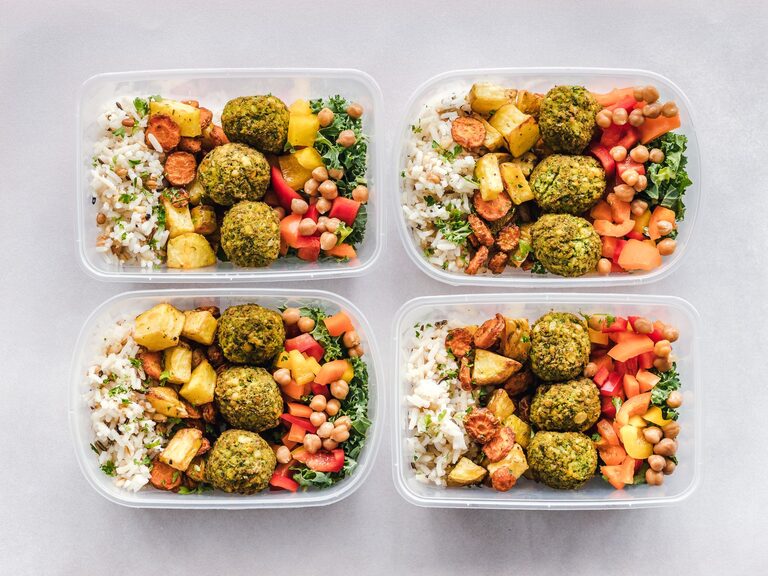
Busy weeks can make cooking feel like one more task on a long list. Meal prep helps simplify the process by giving you ready-to-use ingredients and meals before the week gets hectic. You do not need to spend an entire day cooking or follow a complicated plan. With a few flexible recipes, basic kitchen tools, and a little organization, you can prepare satisfying meals in less time.
Start With a Simple Plan
The easiest meal prep routine begins with a short plan. Before shopping, look at your schedule and decide how many meals you realistically need. If you know you will eat out one night or have a late meeting, plan around it instead of preparing too much food.
Choose two or three main dishes and a few supporting ingredients. For example, you might prepare:
– One protein, such as chicken, eggs, beans, or tofu
– Two vegetables
– One grain, such as rice, quinoa, or pasta
– A simple sauce or dressing
– Easy breakfast or snack options
Try to select ingredients that can be used in more than one meal. Roasted vegetables can go into grain bowls, wraps, and salads. Cooked chicken can be served with rice, added to soup, or used in sandwiches.
Use a Mix-and-Match Formula
A mix-and-match approach keeps meals interesting without requiring several separate recipes. Build meals from four basic parts:
- A protein
- A vegetable or fruit
- A grain or other filling ingredient
- A sauce, seasoning, or topping
For example, cooked beans, roasted vegetables, brown rice, and salsa can become a bowl. The same ingredients can be placed in a tortilla for a quick wrap. Changing the sauce or toppings can make leftovers feel like a new meal.
Prepare Flexible Ingredients
Instead of cooking a different dish for every day, prepare ingredients that can be combined in several ways. This approach saves time and gives you more choice during the week.
Cook a Batch of Grains
Rice, quinoa, couscous, barley, and pasta are useful meal prep staples. Cook a large batch and divide it into containers once it has cooled. Store portions in the refrigerator for several days, or freeze some for later use.
You can also prepare potatoes or sweet potatoes. Roast them in cubes for bowls and salads, or bake them whole for an easy side dish.
Roast Several Vegetables at Once
Roasting vegetables is one of the simplest ways to prepare flavorful sides. Chop vegetables such as carrots, broccoli, bell peppers, zucchini, onions, or cauliflower. Toss them with a little oil and seasonings, then roast them on a large baking sheet.
For variety, divide the vegetables into sections and season each section differently. Try garlic and herbs on one portion, taco seasoning on another, and a simple blend of salt and pepper on the rest.
Prepare One or Two Proteins
Select proteins that work in different meals. Baked chicken, turkey meatballs, hard-boiled eggs, lentils, chickpeas, tofu, and shredded cooked meat are all useful options.
For a vegetarian meal prep plan, combine beans or lentils with grains and vegetables. Tofu can be baked with a simple soy-ginger sauce and added to stir-fries, bowls, or wraps.
Easy Meal Prep Ideas
Breakfast Oatmeal Jars
Prepare several jars of overnight oats for quick breakfasts. Combine oats, milk or a milk alternative, yogurt, fruit, and toppings such as nuts or seeds. Keep the mixture in the refrigerator overnight.
To create different flavors, try combinations such as:
– Banana and cinnamon
– Apple and walnut
– Berry and vanilla
– Peanut butter and cocoa
Add crunchy toppings just before eating so they stay fresh.
Sheet Pan Meals
Sheet pan meals require minimal cleanup and can be customized easily. Add a protein, vegetables, and seasonings to one pan, then cook everything together.
Try chicken with potatoes and green beans, salmon with broccoli and lemon, or tofu with bell peppers and onions. Prepare extra portions so you have lunch or dinner ready for another day.
Grain Bowls
Grain bowls are easy to assemble and adapt to different preferences. Start with cooked rice, quinoa, or farro. Add vegetables, a protein, and a sauce.
Simple sauce ideas include:
– Yogurt, lemon, and herbs
– Peanut butter, lime, and a little soy sauce
– Olive oil, vinegar, and mustard
– Salsa with avocado
– Hummus thinned with lemon juice
Store wet ingredients separately when possible to help keep the other ingredients fresh.
Make-Ahead Soups
Soups are ideal for meal prep because many improve in flavor after a day or two. Prepare a large pot of vegetable soup, lentil soup, chicken noodle soup, or bean chili.
Let soup cool before transferring it to containers. Keep a few servings in the refrigerator and freeze the rest in individual portions. Leave some space at the top of each container because liquids expand when frozen.
Wraps and Sandwich Fillings
Prepare fillings in advance and assemble wraps or sandwiches when you are ready to eat. Good options include chicken salad, egg salad, hummus with vegetables, tuna, or sliced turkey with cheese.
To help prevent sogginess, place lettuce or another sturdy vegetable between the bread and wetter ingredients. Keep tortillas, bread, and fillings stored separately when possible.
Smart Storage Tips
Good storage helps prepared food stay appealing throughout the week. Use clear containers so you can see what is available. Choose containers in different sizes for full meals, sauces, snacks, and individual ingredients.
Label containers with the name of the food and the date you prepared it. Place foods you plan to eat first toward the front of the refrigerator. Keep sauces, dressings, and crunchy toppings separate until serving.
If you are unsure whether you will eat something within a few days, freeze it. Divide food into serving-size portions so it is easier to thaw only what you need.
Keep Prep Manageable
Meal prep does not have to mean preparing every meal for seven days. Start with one or two tasks, such as washing produce, cooking a grain, and preparing one main dish. Even 30 to 45 minutes can make the rest of the week easier.
You can also use convenience foods thoughtfully. Prewashed greens, frozen vegetables, canned beans, rotisserie chicken, and microwaveable grains can reduce preparation time. Combining these items with a homemade sauce or fresh toppings can create a balanced meal without much effort.
A Simple Weekly Routine
Try this basic routine:
- Choose three dinners and two lunch options.
- Write a shopping list based on those meals.
- Wash and chop produce after shopping.
- Cook one grain, one protein, and one tray of vegetables.
- Prepare a quick breakfast or snack.
- Divide ingredients into containers.
- Add variety with different sauces and toppings.
The goal is not perfection. A successful meal prep plan is one that fits your schedule, uses foods you enjoy, and makes busy days a little easier. Start small, repeat the recipes that work well, and adjust the plan as your week changes.