
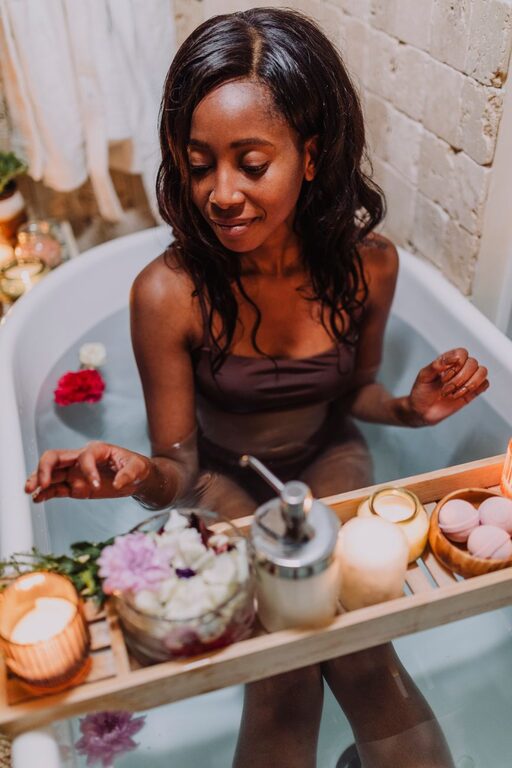
Self-care does not have to mean expensive products, spa appointments, or a packed schedule. Often, the most helpful habits are simple activities that give you time to rest, reset, and enjoy your surroundings.
A low-cost self-care routine can be as easy as making a favorite drink, taking a quiet break, writing in a notebook, or spending time on a hobby. The goal is not to create a perfect routine. It is to find small ways to support your comfort and energy using what you already have.
Create a Calm Space
Your surroundings can affect how easy it feels to relax. You do not need to redecorate an entire room. A few small changes can make one corner of your home feel more peaceful.
Try these simple ideas:
– Clear one small surface, such as a nightstand or desk.
– Put a blanket or cushion in a comfortable chair.
– Open a window for fresh air when the weather allows.
– Lower the lights in the evening.
– Play quiet music or enjoy a few minutes of silence.
– Keep a book, notebook, or other relaxing item nearby.
Choose one area as your “pause space.” It could be a chair, the end of your bed, or a spot on the floor with a cushion. Use it when you want a short break from screens, chores, or daily responsibilities.
Enjoy a Simple At-Home Spa Moment
A relaxing routine can feel special without requiring costly supplies. Use basic items you already have and focus on slowing down.
You might:
– Take a warm shower or bath.
– Wash your face with your usual cleanser.
– Apply hand cream or lotion if you have some available.
– Wrap yourself in a clean, comfortable towel.
– Put on fresh pajamas or soft clothes.
– Make a warm drink and enjoy it without multitasking.
You can also create a short “reset” routine by tidying the bathroom, changing the lighting, and playing music. The setting can make an ordinary activity feel more intentional.
Make Time for Gentle Movement
Movement can be a useful way to change your mood and break up a long day. It does not need to be intense or structured. Focus on activities that feel comfortable and enjoyable.
Consider:
– Stretching for five to ten minutes.
– Walking around your home while listening to music.
– Dancing to a few favorite songs.
– Doing light household tasks at an easy pace.
– Following a free beginner movement video.
– Standing up regularly when working or watching television.
Try choosing movement based on how you feel that day. A few gentle stretches may be enough when you are tired, while music and dancing may feel better when you want more energy.
Try a Screen Free Break
Screens are useful for work, communication, and entertainment, but constant notifications can make it difficult to unwind. A short screen-free period can give your attention a chance to settle.
Start with 15 or 30 minutes. During that time, you could:
– Read a library book or magazine.
– Do a puzzle.
– Sketch or color.
– Fold laundry while listening to music.
– Sit near a window.
– Write by hand.
– Prepare a snack.
If leaving your phone in another room feels difficult, place it face down and turn off nonessential notifications. Even a brief break can make your evening feel less rushed.
Practice Simple Journaling
Journaling can help you organize your thoughts and notice what you need. You do not need a special notebook. Any paper will work.
Use one of these prompts:
– What was one pleasant moment today?
– What is taking up most of my attention?
– What would make tomorrow feel easier?
– What am I looking forward to?
– What is one small task I can let go of today?
– What activity helps me feel most like myself?
There is no need to write perfectly or produce a certain number of pages. Set a timer for five minutes and write freely. You can keep the entries private, use a notes app, or recycle the pages afterward.
Prepare an Affordable Comfort Meal
Food can be part of a comforting home routine. Instead of ordering something expensive, prepare a simple meal or snack you already enjoy.
Ideas include:
– Toast with your favorite topping.
– Soup made from pantry ingredients.
– Oatmeal with fruit or spices.
– A grilled cheese sandwich.
– Popcorn with a favorite seasoning.
– A smoothie using available fruit.
– A simple pasta dish.
Make the meal feel special by using a favorite plate, setting the table, or eating without watching television. Taking time with a basic meal can turn it into a relaxing experience.
Spend Time on a Creative Hobby
Creative activities can provide a break from practical tasks and responsibilities. You do not need to be experienced, and the result does not need to be useful.
Try:
– Drawing with a pencil.
– Writing a short story or poem.
– Taking photos around your home.
– Rearranging a shelf.
– Making a collage from old magazines.
– Learning a song on an instrument.
– Trying a simple craft with leftover materials.
– Cooking or baking from a recipe you already have.
Choose activities that focus on the process rather than the finished product. A hobby can be valuable simply because it holds your attention and gives you something enjoyable to do.
Use Free Entertainment Thoughtfully
Libraries, public websites, and community resources offer many free ways to relax and learn. Check your local library for digital books, audiobooks, movies, classes, or virtual events.
At home, you might:
– Rewatch a favorite movie.
– Listen to a free podcast.
– Explore an online museum collection.
– Watch a beginner tutorial.
– Borrow an audiobook.
– Make a playlist for a certain mood.
– Join a free online book or hobby group.
Choose entertainment that leaves you feeling refreshed rather than overwhelmed. If scrolling makes you feel tired, try selecting one program, playlist, or activity before you begin.
Build a Small Self Care Menu
It can be helpful to create a list of activities for different situations. This removes the pressure of deciding what to do when you are already tired.
When you have five minutes
– Drink a glass of water.
– Open a window.
– Stretch your shoulders.
– Take a few slow breaths.
– Put away five items.
– Listen to one favorite song.
When you have 30 minutes
– Take a warm shower.
– Read a few chapters.
– Prepare a simple snack.
– Write in a journal.
– Try a creative activity.
– Take a walk around your neighborhood if convenient.
When you have an hour
– Cook a favorite meal.
– Watch a movie.
– Work on a hobby.
– Tidy and refresh your relaxing space.
– Have a longer screen-free break.
– Call or message someone you enjoy talking with.
Keep Self Care Simple and Personal
There is no single correct way to practice self-care. Some people recharge through quiet time, while others feel better after creative work, movement, or social connection. Your routine may also change from day to day.
Start with one small activity that feels realistic. Avoid turning self-care into another obligation or a reason to spend money. A few minutes of comfort, attention, and rest can be meaningful when practiced regularly.
The best low-cost routine is one you can enjoy and repeat. Look around your home, notice what already helps you feel comfortable, and build from there.