
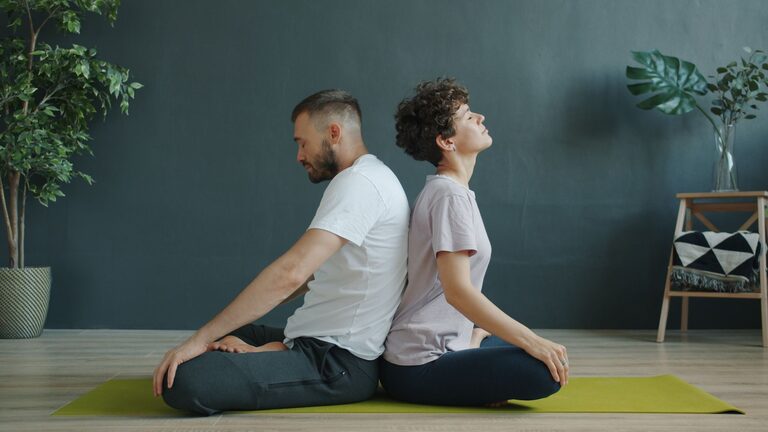
A mindful breathing break is a short pause that gives you a chance to step away from distractions and notice your breathing. It does not require special equipment, a quiet retreat, or a large block of free time. Even one or two minutes can create a helpful transition between tasks.
The goal is not to breathe perfectly or empty your mind. Instead, mindful breathing is about paying attention to the present moment with a relaxed, curious attitude. When your attention wanders, you simply notice and gently return to your breath.
What Is a Mindful Breathing Break?
A mindful breathing break is a brief, intentional pause centered on natural breathing. You might sit at your desk, stand in a hallway, or pause before beginning your next activity.
During the break, you can notice:
– The feeling of air moving in and out
– The rise and fall of your chest or belly
– The pace and rhythm of your breath
– The sensation of your feet on the floor
– Sounds, sights, or other details around you
You do not need to change your breathing. Simply observing it can help create a clear boundary between one activity and the next.
Start With a Small Time Goal
Beginners often try to practice for too long too soon. A short break is easier to remember and more likely to become a regular habit.
Try one of these starting points:
– Three slow, comfortable breaths
– One minute of quiet observation
– A two-minute pause between tasks
– Five minutes at the beginning or end of the day
There is no required length. A useful breathing break is one that fits naturally into your schedule. As the practice becomes familiar, you can choose longer pauses if they feel comfortable.
Find a Comfortable Position
You can practice mindful breathing in almost any position. Choose one that allows you to stay alert without creating unnecessary tension.
For a seated break:
- Place both feet on the floor if possible.
- Let your hands rest comfortably.
- Allow your shoulders to drop naturally.
- Keep your back supported or gently upright.
- Soften your gaze or close your eyes if that feels comfortable.
You can also stand, stretch lightly, or walk slowly while paying attention to your breathing. Comfort matters more than creating a perfect posture.
Use the Breath as an Anchor
An anchor is a simple point of attention that helps you stay connected to the present moment. For this practice, the breath is your anchor.
Begin by noticing where the breath feels easiest to observe. You might notice it at:
– The tip of the nose
– The chest
– The belly
– The movement of your ribs
Choose one area and observe the sensations for a few breaths. Notice the beginning of an inhale, the end of the inhale, the exhale, and the natural pause that may follow.
There is no need to force a deep breath. Let the breath remain natural and comfortable.
A Simple One-Minute Practice
Use this routine whenever you need a quick reset:
Step 1: Pause
Stop what you are doing for a moment. Place your device aside or lower your hands from the keyboard.
Step 2: Notice
Bring your attention to your body. Feel your feet, your hands, and the surface supporting you.
Step 3: Observe
Notice one complete breath from beginning to end. Then notice another. Pay attention to the sensations rather than trying to control them.
Step 4: Return
If thoughts, sounds, or tasks pull your attention away, acknowledge the distraction without criticism. Gently return your attention to the next breath.
Step 5: Continue
When the minute is over, notice how you feel. Then choose your next action with intention.
Let Your Mind Wander Without Judgment
A wandering mind is a normal part of mindful breathing. You may think about a conversation, remember an errand, or begin planning your next task. This does not mean you are doing the practice incorrectly.
When you notice your attention has wandered, try these simple steps:
- Name the distraction quietly, such as “planning” or “remembering.”
- Avoid judging yourself for losing focus.
- Return your attention to the breath.
- Continue from the next comfortable inhale or exhale.
Every return is part of the practice. Instead of measuring success by how long you stay focused, consider each return an opportunity to practice patience and awareness.
Connect Breathing Breaks to Daily Routines
A regular cue can make mindful breathing easier to remember. Attach your break to something you already do each day.
Useful cues include:
– Before opening your email
– After finishing a meeting
– Before starting a new work task
– While waiting for a page to load
– After making a cup of tea or coffee
– Before eating a meal
– When you arrive home
– Before preparing for sleep
Start with one cue that happens reliably. Once the practice becomes familiar, you can add another. The aim is to create a natural rhythm rather than another demanding task on your list.
Try Breathing Breaks During Busy Moments
Mindful breathing is especially useful during transitions. A short pause can help you move from one activity to another with more awareness.
For example, before replying to a message, take one breath and read it again. Before joining a meeting, relax your shoulders and notice your feet on the floor. After completing a difficult task, pause for a few breaths before moving on.
These small moments do not need to look formal. You can practice quietly without anyone else noticing.
Make the Practice Comfortable
A breathing break should feel supportive, not forced. Keep the following tips in mind:
– Breathe in a natural way.
– Avoid holding your breath unless it happens naturally.
– Do not strain to make each breath deeper or slower.
– Keep your eyes open if closing them feels uncomfortable.
– Change position if your body becomes tense.
– Stop or return to normal activity if the practice feels unpleasant.
Some people prefer focusing on sounds or the feeling of their feet instead of the breath. That is perfectly acceptable. The broader goal is to notice the present moment in a steady, comfortable way.
Common Beginner Mistakes
A few expectations can make the practice feel harder than it needs to be.
Trying to Clear Your Mind
Mindful breathing is not about having no thoughts. It is about noticing thoughts and returning to the present.
Waiting for the Perfect Time
A quiet, uninterrupted setting is helpful but not required. One mindful breath in a busy day still counts.
Changing the Breath Too Much
Deep or controlled breathing may not feel natural for everyone. Start by observing instead of adjusting.
Treating It Like a Test
There is no score, perfect technique, or required experience level. A distracted session can still be useful.
Build a Simple Weekly Habit
Choose a realistic plan for the next seven days. For example, take a one-minute breathing break once in the morning and once in the afternoon.
You can track your practice with a simple checkmark, but avoid turning it into a source of pressure. If you miss a day, begin again at the next available opportunity.
Over time, these brief pauses can become familiar reminders to slow down, notice what is happening, and approach the next moment with greater intention. The most effective practice is usually the one that is simple enough to repeat.