
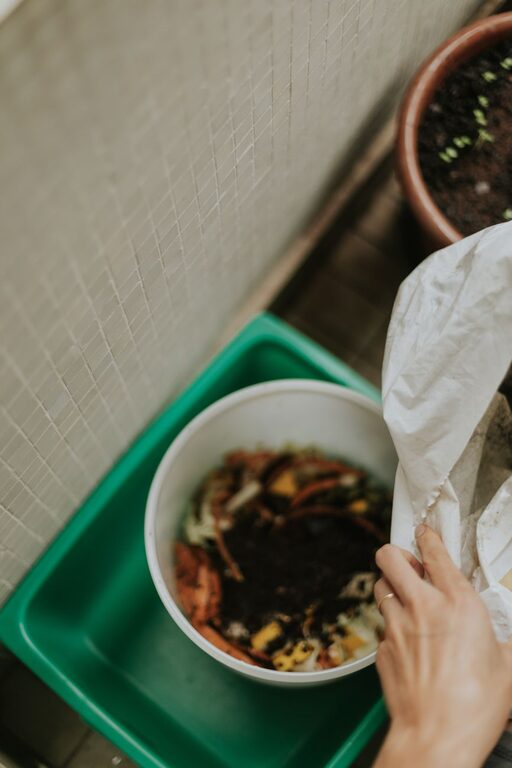
Food waste can happen in small ways: buying more than you need, forgetting what is in the refrigerator, or cooking larger portions than your household can eat. Over time, these habits can add up. The good news is that reducing food waste does not require major lifestyle changes. A few simple routines can help you use more of the food you buy, save money, and make meal planning easier.
1. Plan Meals Before Shopping
Meal planning is one of the most effective ways to prevent unnecessary purchases. Before writing a grocery list, take a few minutes to think about the meals you expect to prepare during the week.
Consider:
– How many people you are feeding
– How many meals you will eat at home
– Which ingredients you already have
– Whether you will have time to cook
– How leftovers can be used in another meal
Your plan does not need to be complicated. Even choosing three or four main meals can provide enough structure. Leave room for flexible meals, such as sandwiches, salads, soups, or leftovers.
When planning, try to select recipes that share ingredients. For example, a bunch of spinach could be used in omelets, pasta, and smoothies. A package of tortillas could work for tacos, wraps, and quesadillas. Using the same ingredients in different ways makes it easier to finish what you buy.
2. Check Your Kitchen First
A quick inventory can prevent duplicate purchases. Before going to the store, check your refrigerator, freezer, and pantry. Look for foods that need to be used soon and make them part of your meal plan.
You can keep a simple list on the refrigerator or use a notes app on your phone. Group items by location or type, such as:
– Produce
– Dairy and eggs
– Meat and other proteins
– Frozen foods
– Pantry staples
Pay special attention to items hidden behind taller containers or pushed to the back of a shelf. Moving older foods to the front makes them easier to notice and use.
3. Shop With a Focused List
A grocery list helps you avoid impulse purchases and buy quantities that match your needs. Organize your list by store section so shopping is faster and more intentional.
Before adding an item, ask:
– Do I already have something similar?
– What meal will this ingredient be used for?
– Will I use the entire package?
– Can I buy a smaller amount?
Buying in bulk can be useful for foods you regularly eat and store well. However, larger packages are not always a better value if part of the food will be thrown away. Choose the amount that fits your household and eating habits.
4. Understand Food Date Labels
Date labels can be confusing, but they often describe quality rather than safety. Phrases such as “best if used by” generally indicate when a product may have its best flavor or texture. A product may still be usable after that date if it has been stored properly and shows no signs of spoilage.
Use your senses when checking food. Look for unusual odors, mold, damaged packaging, or unexpected changes in color and texture. When in doubt, it is safer to discard the item.
To reduce waste, avoid treating every date as an automatic signal to throw food away. Store products correctly, keep track of when they were opened, and use older items first.
5. Store Food Properly
Good storage can help food stay fresh longer. Keep refrigerator temperatures at a safe level, and place foods where they are easy to see. Use airtight containers for opened dry goods and leftovers.
Helpful storage habits include:
– Keep herbs in a suitable container with moisture control
– Store bread in a cool, dry place or freeze extra portions
– Keep fruits and vegetables in the right refrigerator drawers
– Seal packages tightly after opening
– Label leftovers with the date they were prepared
Do not pack the refrigerator too tightly. Air needs to circulate, and an overcrowded refrigerator makes it harder to find food before it goes bad.
6. Use Your Freezer More Often
The freezer is a useful tool for preserving food you cannot eat right away. Freeze extra portions of bread, cooked grains, fruit, vegetables, sauces, and prepared meals.
For the best results:
- Divide food into practical portions.
- Use freezer-safe containers or bags.
- Remove as much air as possible.
- Label each item with its name and date.
- Place newer items behind older ones.
Freezing ripe fruit is especially helpful. Bananas, berries, and sliced peaches can be used later in smoothies, baked goods, or oatmeal. You can also freeze grated cheese, cooked beans, and leftover tomato paste in small portions.
7. Give Leftovers a Second Life
Leftovers do not have to be eaten in exactly the same form. Think of them as ingredients for a new meal.
Examples include:
– Roasted vegetables added to eggs, grain bowls, or pasta
– Cooked chicken used in soup, salad, or sandwiches
– Rice turned into fried rice or stuffed peppers
– Extra beans added to tacos or chili
– Mashed potatoes used for patties or a topping
– Wilted greens mixed into sauces, soups, or casseroles
Store leftovers in clear containers so you can see what is available. Set aside one day each week for a “use-it-up” meal. This can be an easy way to combine small amounts of food before they are forgotten.
8. Cook the Amount You Need
Large portions can create unnecessary leftovers, especially when preparing food for a small household. Use measuring cups, kitchen scales, or package guidelines to estimate how much you need.
If you are unsure, prepare a smaller amount first. You can always make more if necessary. For foods such as pasta, rice, and grains, measuring dry portions can help prevent overcooking.
When serving a meal, place a reasonable amount on each plate and allow people to take more if they are still hungry. This reduces uneaten food left on plates.
9. Use More of Each Ingredient
Many parts of fruits and vegetables that are often discarded can be useful when prepared properly. Vegetable stems can add flavor to stocks, while broccoli stems can be sliced into stir-fries or salads. Citrus zest can flavor baked goods, dressings, and sauces.
Other ideas include:
– Turn stale bread into breadcrumbs or croutons
– Use vegetable scraps for homemade stock
– Add soft fruit to smoothies or quick breads
– Save herb stems for soups and sauces
– Use carrot tops or leafy greens in pesto-style sauces
Only use parts that are clean, suitable to eat, and prepared safely. When an item is damaged or spoiled, discard the affected portion as appropriate rather than trying to use food that is unsafe.
10. Build Simple Habits That Last
The most successful food-waste plan is one you can maintain. Start with one or two changes instead of trying to change everything at once.
You might begin by:
– Planning meals once a week
– Checking the refrigerator before shopping
– Freezing food you will not use soon
– Creating one leftovers night
– Keeping a visible list of foods that need attention
At the end of each week, notice what was wasted and why. If lettuce often goes unused, buy less or choose a longer-lasting alternative. If leftovers are forgotten, store them at eye level. Small adjustments can make your kitchen routine more efficient.
Reducing food waste is not about achieving perfection. It is about paying attention, using what you have, and making thoughtful choices before and after shopping. With consistent habits, your household can waste less food while enjoying more organized, flexible, and budget-conscious meals.