
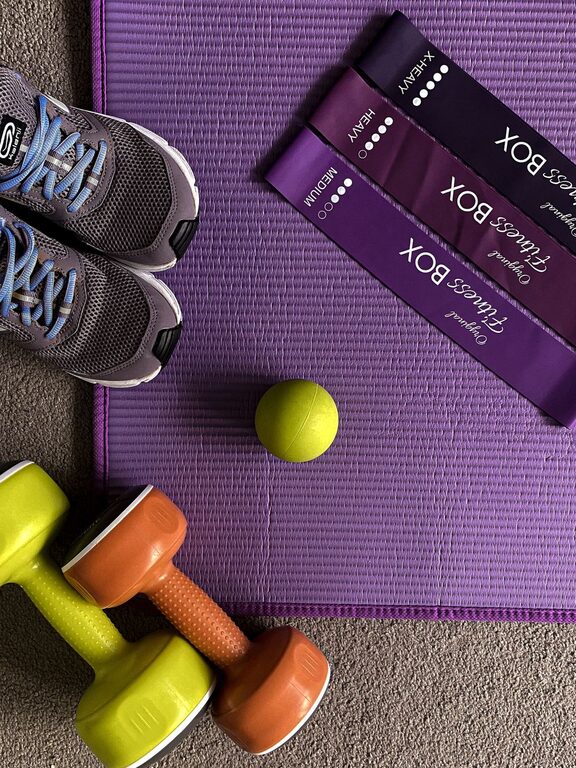
A dedicated workout corner can make it easier to stay active without needing a full home gym. You do not need a large room or expensive equipment. With a small amount of planning, an open area, a few useful tools, and a setup that feels inviting, you can create a workout space that fits your home and your routine.
Whether you live in an apartment, share your space with others, or have an unused corner in a bedroom, the goal is the same: make exercise simple to start and easy to repeat.
Choose the Right Location
Start by looking for an area with enough room to move comfortably. This could be a corner of a bedroom, part of a living room, a home office, or a section of a basement. The space does not need to be large, but it should allow you to stretch your arms and legs without hitting furniture or walls.
Consider these factors when choosing a location:
– Clear floor space: You should be able to stand, bend, stretch, and lie down safely.
– Good airflow: A nearby window or fan can make the space more comfortable.
– Natural light: Bright surroundings can make the area feel more welcoming.
– Privacy: Choose a spot where you feel comfortable exercising.
– Convenience: A location you pass regularly may encourage more frequent use.
– Floor protection: Avoid placing equipment directly on delicate flooring.
If space is limited, use a corner that can be reset quickly. A foldable mat, storage basket, and compact equipment can help you keep the area tidy when it is not in use.
Measure Before You Buy
Before purchasing anything, measure the available floor area. Write down the width and length, then consider the height of the space if you plan to use equipment such as resistance bands with a door anchor or a pull-up bar.
Leave enough room around your body for movement. A mat may fit in a narrow space, but you should also have room to step beside it. Think about the exercises you are likely to do, such as squats, lunges, floor exercises, light cardio, or stretching.
A simple way to test the space is to place painter’s tape on the floor to outline the area. Stand inside it, raise your arms, lie down, and take a few steps in different directions. This can show whether the space feels comfortable before you buy equipment.
Start With Essential Equipment
You can build a useful workout corner with just a few basic items. Choose equipment that supports the activities you enjoy instead of buying everything at once.
Exercise Mat
An exercise mat provides a more comfortable surface for floor exercises, stretching, and bodyweight movements. Look for a mat that is easy to clean and thick enough for your preferred activities. If you have hard floors, a slightly thicker mat may improve comfort and reduce slipping.
Choose a mat with a textured surface or a nonslip backing. Store it rolled or flat according to the manufacturer’s instructions.
Resistance Bands
Resistance bands are lightweight, affordable, and easy to store. Different band strengths can support a wide range of movements for the upper body, lower body, and core.
A basic set may include several loop bands or long bands with handles. Keep them in a small container so they do not become tangled. Inspect bands regularly for cracks, stretching, or other signs of wear.
Light Dumbbells
A pair of light dumbbells can add variety to simple exercises. If you are new to strength training, begin with a weight that allows you to maintain steady, controlled movement. You can add heavier options later if they fit your goals and available space.
Avoid storing weights where they can fall onto feet or damage the floor. A low, stable rack or sturdy storage box can help keep them organized.
Small Accessories
A few optional accessories may make your workouts more comfortable:
– A towel for wiping away sweat
– A water bottle
– A small exercise ball
– A yoga block for stretching support
– A timer or simple clock
– A foam roller for general mobility work
Select only items you expect to use. A smaller collection is easier to maintain and keeps your workout corner from becoming cluttered.
Add Practical Storage
Good storage helps the space remain useful. If equipment is difficult to find, you may be less likely to use it. Choose storage that matches the size of your corner and keeps items off the main workout area.
Useful storage ideas include:
– A basket for resistance bands and small accessories
– Wall hooks for towels or bands
– A narrow shelf for bottles and accessories
– A low rack for dumbbells
– A storage bench with an internal compartment
– A rolling cart that can be moved when needed
Keep heavier items on lower shelves. Make sure shelves, hooks, and racks are designed for the weight they hold and are properly secured. Do not block doors, windows, vents, or walkways with equipment.
Make the Area Comfortable
The look and feel of your workout corner can affect how often you use it. You do not need to create a decorative studio, but a clean and pleasant space can make exercise feel more inviting.
Consider adding:
– A bright lamp if the area is dim
– A mirror to make the room feel larger
– A small speaker for music or guided workouts
– A simple wall calendar to track sessions
– A plant or piece of artwork
– A nearby laundry basket for used towels
Keep decorations limited if they take up floor space or create distractions. The main purpose of the corner is to support movement, so comfort and safety should come first.
Plan a Simple Workout Routine
Your workout corner will be more useful when you know what you plan to do there. Create a short routine that matches your schedule and interests. For example, you might combine warm-up movements, bodyweight exercises, resistance work, and stretching.
A basic session could include:
- A few minutes of gentle movement to get ready
- Several rounds of bodyweight exercises
- Resistance band or dumbbell movements
- A short cooldown with comfortable stretches
You can also assign different activities to different days. One day might focus on strength, another on mobility, and another on light cardio. Keep the plan simple enough to follow consistently.
If you use online videos or apps, position your phone, tablet, or laptop where you can see it without stepping over cables. Wireless options or a stable stand can help reduce clutter.
Keep Safety in Mind
Inspect your workout area before each session. Remove loose objects, check that the floor is dry, and make sure equipment is in good condition. Wear footwear that provides suitable grip, or exercise barefoot only when appropriate for the activity and surface.
Leave plenty of room around furniture and avoid using unstable chairs or tables as exercise supports. If you are using bands, check that anchors are secure and that the band is not damaged. Store small equipment away from children and pets when necessary.
Start at a comfortable level and use controlled movements. The goal is to build a routine you can maintain, not to fill the space with equipment or complete the most demanding workout possible.
Refresh the Corner Over Time
Once you use the space regularly, you will learn what works and what does not. You may discover that one piece of equipment is especially useful while another remains untouched. Adjust the corner based on your experience.
Every few weeks, take a few minutes to:
– Remove equipment you no longer use
– Clean the mat and storage areas
– Check bands, handles, and weights
– Improve lighting or airflow
– Update your workout plan
– Rearrange items for easier access
A simple workout corner should support your habits rather than create extra work. Start with an open area, add a few versatile tools, and keep the setup easy to use. With thoughtful organization and a routine that suits your lifestyle, even a small space can become a practical place to stay active at home.